Wrap to Strategy: The $320 Billion Decision Reshaping How the Flexible Packaging Market Packages, Ships and Sells
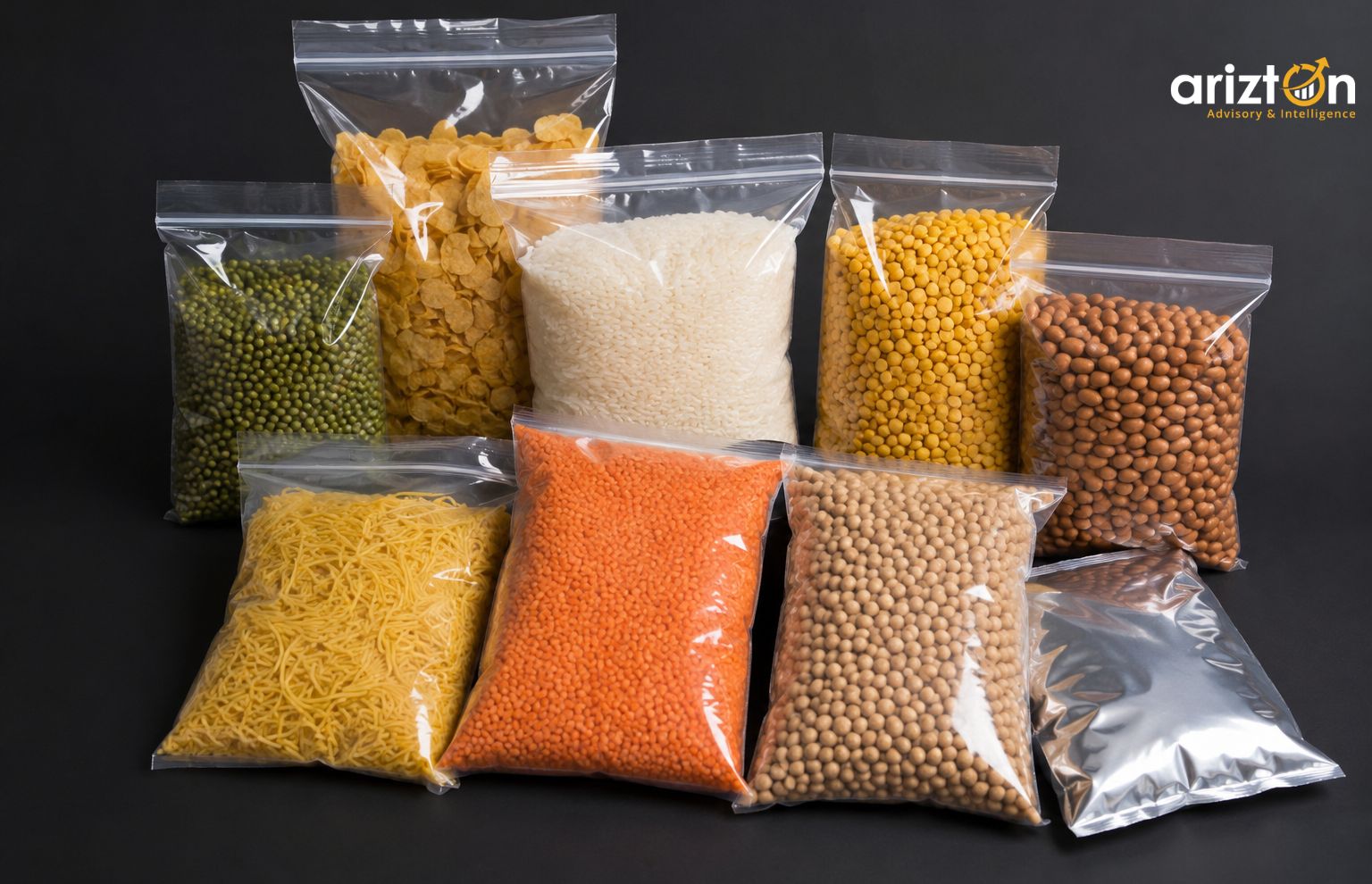
The flexible packaging market is growing, but the forces behind demand are changing. Cost and convenience still matter, yet purchasing decisions are increasingly being shaped by recyclability, shelf-life performance, freight efficiency, and supply reliability. As sustainability expectations rise and retail models evolve, manufacturers are investing in new materials, regional capacity, and recyclable packaging formats to stay aligned with changing customer needs. The shifts outlined below highlight where demand is moving and why it matters for the industry.
Get detailed Regional Outlook, Growth Potential, Price Trends, Competitive Market Share & Forecast
According to Arizton the global flexible packaging market was valued at USD 242 billion in 2025 and is expected to reach USD 320.57 billion by 2031, growing at a CAGR of 4.80% during the forecast period.
Capacity Expansion Reflects Long-Term Demand Confidence
Flexible packaging manufacturers are expanding production not only to meet rising demand, but to strengthen what they can offer. Demand for recyclable formats, lightweight materials, shelf-life protection, and faster packaging turnaround is increasing investment in high-barrier films, mono-material structures, and more flexible production capabilities. Recent moves such as Amcor's merger with Berry Global and TOPPAN's acquisition of Sonoco's Thermoformed & Flexibles Packaging business highlight how leading players are building scale, expanding regional reach, and strengthening packaging portfolios to improve long-term competitiveness.
Sustainability Is Becoming a Commercial Requirement
Sustainability is increasingly influencing packaging selection as consumer expectations and retailer priorities evolve. Shorr Packaging's 2025 Sustainable Packaging Consumer Report found that 90% of consumers are more likely to buy from brands using sustainable packaging, while 54% purchased sustainably packaged products within the previous six months. This is strengthening demand for downgauged films, mono-material structures, and recyclable flexible packaging formats that reduce material use while maintaining product performance.
E-Commerce Is Making Packaging Efficiency More Important
In e-commerce, packaging is increasingly becoming a logistics decision as much as a branding one. Retailers and brands are placing greater focus on reducing shipping costs, material waste, and fulfilment inefficiencies, increasing demand for lightweight and right-sized packaging systems. Amazon reported avoiding 4.2 million metric tons of packaging materials since 2015 and reducing global single-use plastic delivery packaging by 16.4% in 2024. Flexible Packaging Europe also notes that flexible packaging can use 5–10 times less packaging material relative to the product than rigid alternatives.
Shelf Life Is Becoming More Closely Linked to Profitability
Reducing product waste is increasing the importance of packaging that can extend shelf life and preserve quality during storage and distribution. In food and fresh produce categories, spoilage directly affects margins, inventory efficiency, and sustainability performance. According to UNEP, food loss and waste account for 8%–10% of global greenhouse gas emissions, reinforcing demand for high-barrier packaging that protects products from oxygen, moisture, and contamination.
The clearest demand signals are coming from five areas
- Food and beverages: Urbanisation and rising processed food consumption are expanding demand for pouches, sachets, and lidding films globally.
- Healthcare and pharmaceuticals: With over 150 countries using WHO Model Medicine Lists, compliant, protective, and high-barrier flexible formats remain in steady global demand.
- Personal care and cosmetics: L’Oréal reported in 2026 that 2025 sales reached €44.05 billion, with growth across all divisions and regions, indicating continued global beauty demand
- Household products: Unilever's Home Care business posted EUR 11.6 billion in turnover in 2025, with volume-led growth supporting continued demand for refill pouches and spouted flexible formats.
- E-commerce and modern retail: The U.S. International Trade Administration stated in 2025 that global B2C e-commerce revenue is expected to reach $5.5 trillion by 2027, keeping demand high for lightweight, durable, and space-efficient packaging.
Download a FREE PDF Sample of the Report https://www.arizton.com/request-sample/5144
About Us:
Founded in 2017, Arizton Advisory & Intelligence delivers data-driven market research and strategic consulting that empowers clients to make informed decisions and drive growth. Combining quantitative and qualitative insights, we provide in-depth analysis across industries including Agriculture, Consumer Goods, Technology, Automotive, Healthcare, Data Centers, and Logistics. Recognized by top-tier media, our expert team transforms complex market data into actionable strategies, helping clients anticipate trends, seize opportunities, and stay ahead of the competition.